Cybersecurity Solutions
Reducing risk for businesses with cybersecurity solutions
Tantos IT & Digital Solutions provides practical cybersecurity solutions for businesses that want to reduce risk, protect their systems, and keep their teams working safely without unnecessary complexity.
Modern business threats can come from anywhere — phishing emails, stolen passwords, ransomware, unsecured remote access, misconfigured cloud systems, unpatched devices, and everyday mistakes that expose sensitive information or interrupt operations.
Tantos helps businesses identify risk, strengthen protection, improve staff awareness, and respond to emerging threats before they become expensive business disruptions.
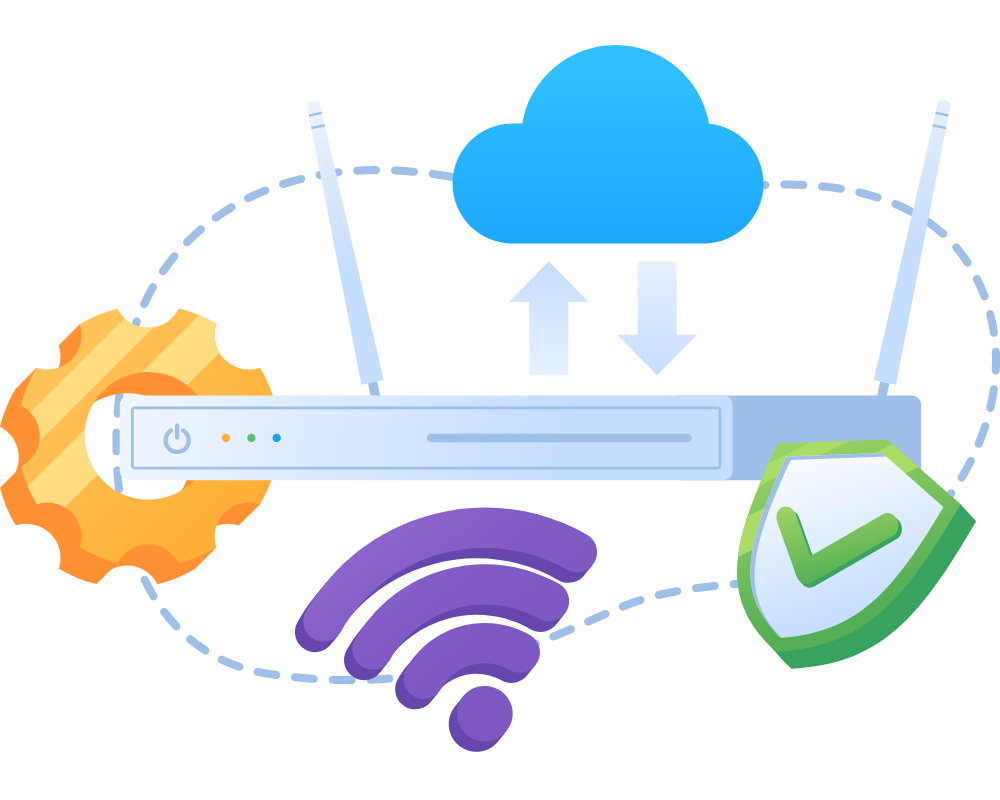
Protecting your business from modern cyber-threats
Cyber risk usually appears in familiar places: email inboxes, passwords, remote access, staff devices, cloud accounts, network connections and data backups. The right security approach protects each layer instead of relying on one product to do everything.
Email & Identity Risks
Compromised Devices & Apps
Network Vulnerabilities
Staff Awareness & Procedures
Tantos Cybersecurity Solutions
- Advanced Email Security
- Spam Protection
- Microsoft 365 Security
- Patch & Vulnerability Management
- EDR - Endpoint Detection & Response
- XDR - Extended Detection & Response
- MDR - Managed Detection & Response
- Backup & Recovery Alignment
- Firewall Management
- VPN & Secure Remote Access
- Security Awareness Training
- Phishing Tests & Simulations
What is included in a Tantos Cybersecurity package?
We work with you to identify your users, systems, data, cloud apps, remote access needs, compliance obligations, and your budget.
From there, we design and implement a security mix that fits your business at it’s current point, and can scale to keep you protected as your business grows.
1.
Assess
2.
Protect
3.
Monitor
4.
Improve
How does cybersecurity help a business scale safely?
Strong cybersecurity gives your business confidence. Confidence that your people can work remotely, share information, access cloud systems, communicate with customers, and use modern tools without creating unnecessary risk.
Robust cybersecurity doesn’t have to come from a massive enterprise-grade security system. For most small and medium businesses this is not feasable, nor would it be the right fit. It is about putting the right protections in place that don’t get in the way, making sure they are monitored, and helping your team understand the threats they are most likely to face day to day.
Tantos IT & Digital Solutions works with you to understand your systems, your users, your data, your budget and your tolerance for risk. From there, we help build a practical security approach that protects your business without slowing your team down.
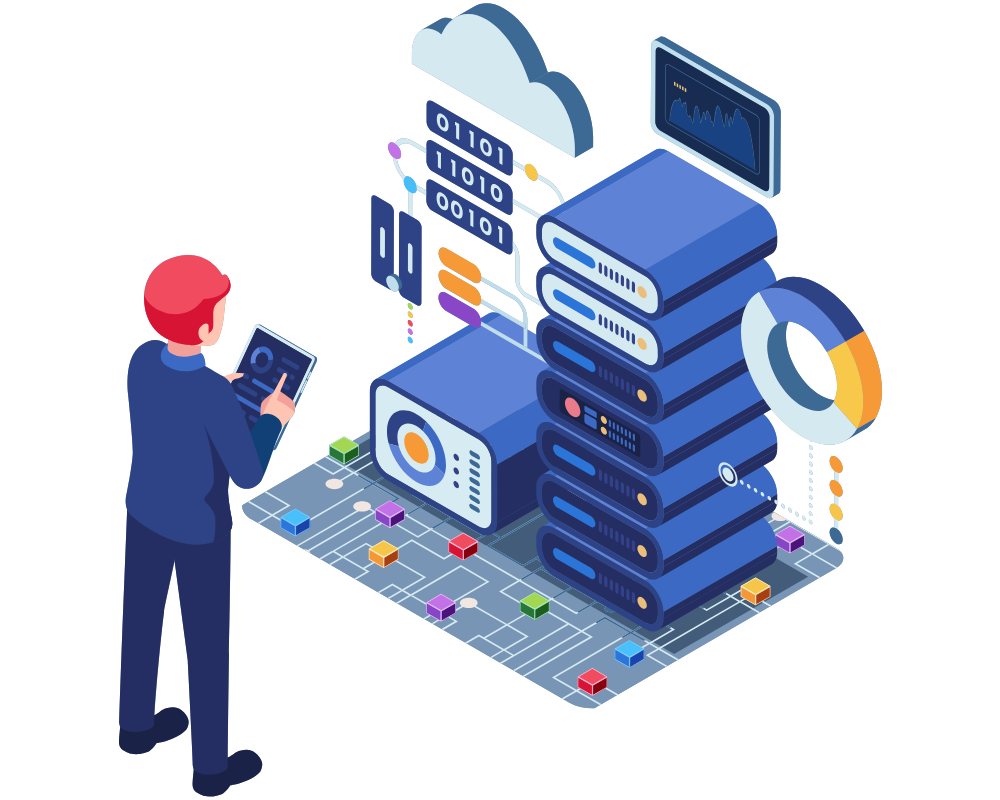
Three Essentials for Resilient, Productive Business Tech
Healthy Systems
Our Managed IT Services monitor your systems and devices to keep them healthy, operational and productive.
Adequate Security
Our Cybersecurity solutions protect your systems and devices from malicious external threats.
Reliable Backup
Tantos Backup & Recovery solutions keep your business operational when the unknown strikes.
Why choose Tantos for Cybersecurity?
We’re here to help guide you to the best solution for your business.
We start by reviewing your operations, systems and processes to identify your biggest risks and prioritise the controls that matter. Our goal is to build a layered cybersecurity package that supports how your team works, without getting in the way or slowing them down, whilst protecting your business, your team, and your customers from malicious threats.
Frequently Asked Questions
What are cybersecurity services?
Do small businesses really need cybersecurity?
Absolutely.
Small and medium businesses rely heavily on email, cloud apps, remote access and connected devices, usually without an in-house IT department acting as the security guard to your systems or more sophisticated security protocols and procedures in place to manage users and devices.
Put simply… fewer controls mean more points of weakness and higher risk to your business.
What is EDR?
EDR stands for Endpoint Detection & Response. It monitors endpoints such as laptops, desktops and servers for suspicious behaviour and helps detect threats that basic antivirus may miss.
What is the difference between EDR, MDR and XDR?
EDR focuses on endpoints. XDR extends visibility across more security layers such as endpoints, email, identity and cloud services. MDR adds managed monitoring and response support so alerts are investigated and acted on.
Is antivirus enough for a business?
Antivirus can be part of a security stack, but it is rarely enough by itself. Businesses should also consider email security, access controls, patching, backups, staff training, firewalls and monitoring.
How does advanced email security help?
Advanced email security helps reduce phishing, malicious links, malware, impersonation attempts and suspicious attachments before they reach users.
What is a phishing test?
A phishing test is a controlled simulation used to help measure staff awareness. It shows whether people can recognise suspicious emails and where additional training may be useful.
How often should staff complete security awareness training?
Training should be repeated regularly and refreshed when new risks, systems or team members are introduced. The right frequency depends on your risk profile and business needs.
Are firewalls still important?
Yes. Firewalls help control traffic between your network and the internet, support secure remote access and reduce exposure to unwanted or unsafe connections.
What is a VPN used for?
A VPN, or Virtual Private Network, helps remote workers connect securely to business systems or office resources over an encrypted connection.
Can cybersecurity prevent ransomware?
Cybersecurity can reduce the risk of ransomware and improve detection, but no single control can guarantee prevention. A strong approach combines email security, endpoint protection, patching, staff awareness, backups and recovery planning.
How does Microsoft 365 security fit in?
Microsoft 365 security can include MFA, identity and access management, Conditional Access, permission reviews, email protection and secure configuration of SharePoint, OneDrive, Teams and Exchange.
What happens if we suffer a cyber incident?
The right response depends on the incident. A practical plan should prioritise containment, investigation, communication, recovery and lessons learned so the business can reduce downtime and future risk.
We'll take IT from here...
Practical cybersecurity solutions that don’t slow your team down.